
Dinner Party Wars
Weapons and strategies for having people over

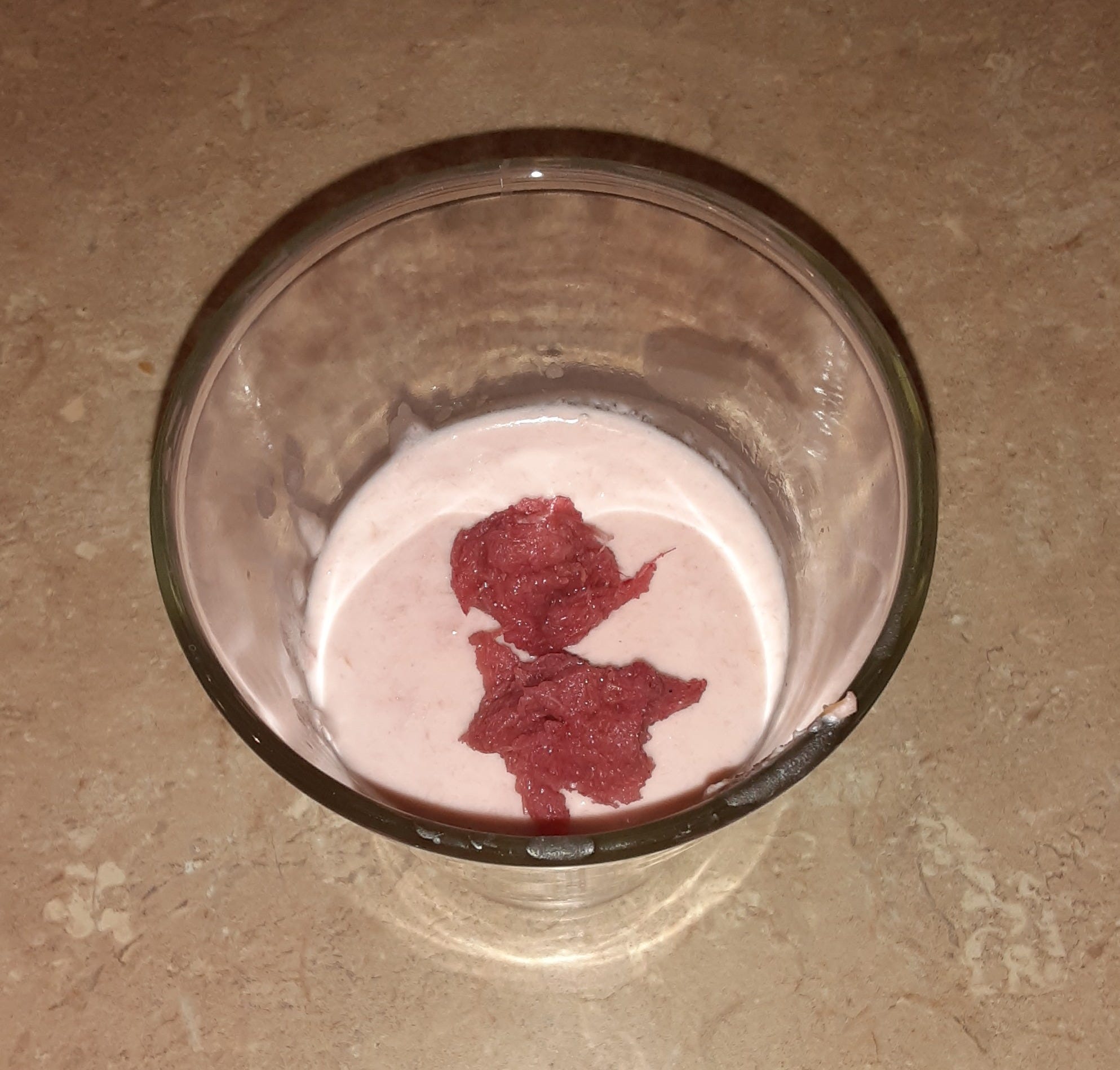
Rhubarb Posset
6 cups heavy cream
1 1/2 cup sugar
1 1/2 tsp pure vanilla extract
9 Tbsp lemon juice
3 cups stewed rhubarb
Puree the stewed rhubarb in a blender. Combine the cream, sugar, and vanilla in a saucepan. Whisk over low heat until the sugar dissolves.
Turn up the heat to medium and let the mixture boil vigorously for 2-3 minutes. Stir constantly to prevent the mixture from boiling over.
Turn off the heat, stir in the lemon juice and rhubarb. Whisk well to incorporate.
Cool the posset mixture for 10 minutes, then divide it between 18 dessert bowls. Cover loosely with foil/cling film and refrigerate for 3-4 hours or until the possets set.
Shakespearean Feast
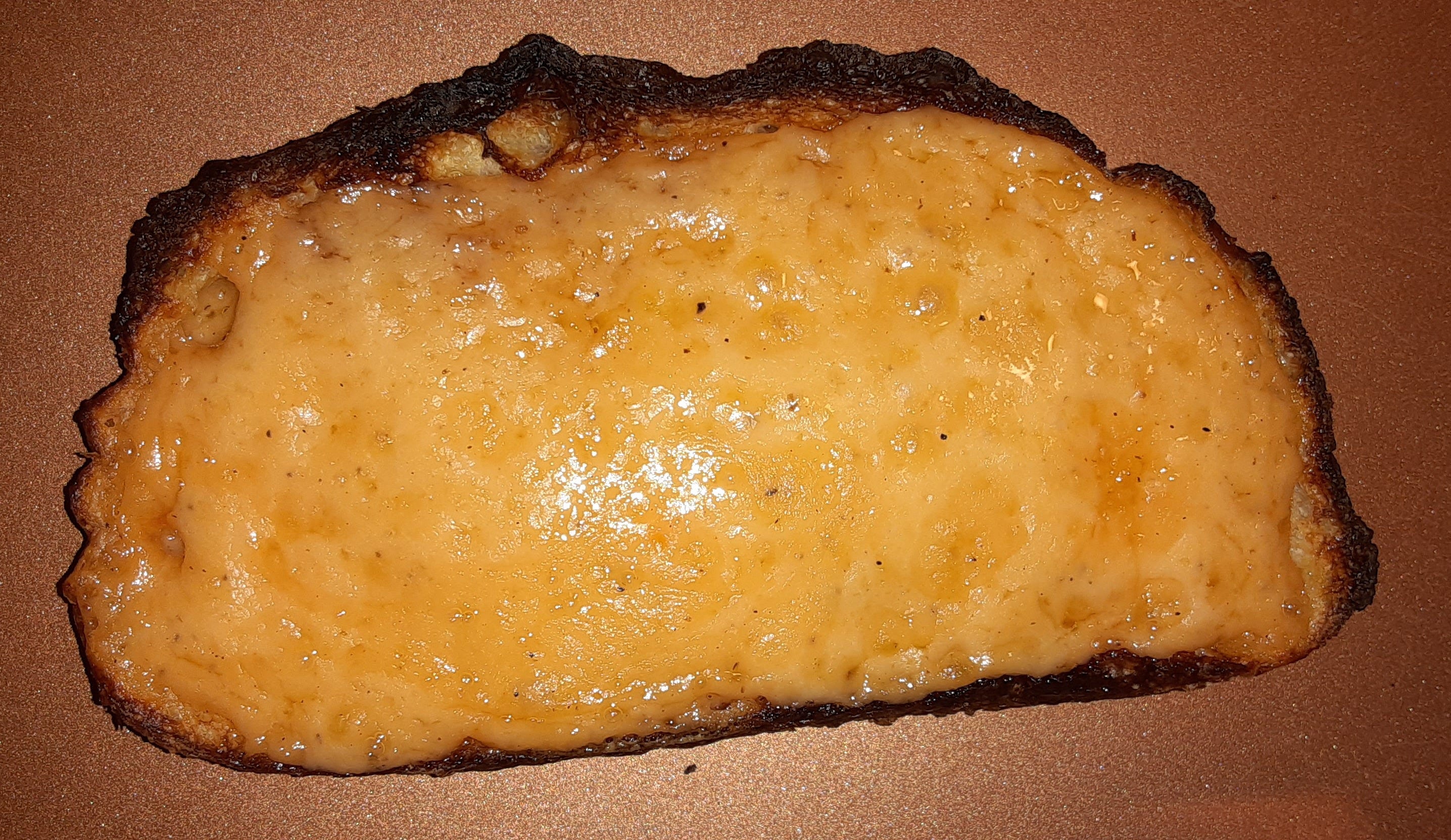
My parents both have PhDs in English Literature, so they are a little bit crazy. For instance, at some point in my teenage years they decided it would be fun to host a Shakespeare play dinner, with a different guest reading each role and a different dish for each act. Once they read As You Like It, and served elk and hazelnut terrine (with crostini and fig jam), cucumber and orange salad, pesto penne (with new potatoes and green beans), brined pork belly (with whiskey apples), and cranberry orange sorbet. The setting is mostly a forest, so game and apples and new potatoes made sense. And oranges, I guess? The last iteration that I attended, the play was The Merry Wives of Windsor, and the menu consisted of Welsh rarebit, bacon-wrapped asparagus, fennel and orange salad with bacon, stuffed pork loin with roasted potatoes and parsnips, and rhubarb posset (prepared by yours truly).1 Each course served eighteen people.
Some of the prep is done in advance, as one does not simply grate cheese for eighteen rarebits to order. Like Linda Miron Distad, whose collection of culinaria is now housed by the University of Alberta Archives, my parents approach “the planning of a formal dinner party in the spirit of the German army’s general staff preparing an invasion plan.”2 However, my mom still spends the whole party finishing up in the kitchen. She loves inventive and elaborate cookery, and though I’ve often wondered if she would also love laughing and reading with the rest of the crowd, it is her choice. This isn’t a weeknight dinner or a holiday celebration; there is no cultural or familial expectation that one must hold a Renaissance drama inspired feast every summer. In the words of Ruby Tandoh, from her book All Consuming:3 “Entertaining is an invented and avoidable problem. Nobody is making you do this.” If things ever got too stressful, my parents could simply stop. Or host a barbecue, like normal people.
It’s also worth noting that my parents’ kitchen is a matchbox, and my mom reminds all the guests each year that anyone who steps inside without permission gets stabbed.
These events are not without their challenges, but they are worth it, for my nerd parents and their nerd friends. I think it implausible that 1990s era Martha Stewart would have envisioned Shakespeare Feast, but I do believe inviting this many friends over to your house for multiple plated courses, with beverage options including mint and blueberry infused water, beer, wine, fixings for several basic cocktails, and innumerable varieties of tea, may just qualify as a dinner party.
‘Cook Remaining 100 Lobsters’
Above is an out-of-context quote from Martha Stewart’s Entertaining. It is also the title of the chapter in All Consuming where Tandoh argues that we have left the era of the dinner party. Hosts, in general, are eschewing elaborate, effortful, and expensive multi-course meals, and are now just having people over. But this is an illusion: what hosts are really doing is “making a lot of effort, while making things look carefree” (which of course can take as much effort as making food look upscale). We have left the era of hors d’oeuvres and plated salads and entered the age of snacks (with thematically appropriate cocktail napkins) and serving dishes in cooking vessels (a.k.a. “gorgeous, colourful, show-piece cast-iron cookware”).
I’ve never witnessed the kind of aggressive entertaining Tandoh describes from the 1980s and 1990s. Just my parents, serving six theatrical courses to twenty of their closest friends. Or hosting a Westeros-themed potluck to celebrate slash lament the finale of Game of Thrones. Or organizing a bring-your-own cheese party. None of these events were low-effort, and none of them seemed like they were intended to look low-effort. But my parents do just call their hors d’oeuvres ‘cheese.’
In the long-ago dinner party era there were cookbooks like Entertaining. Today, there are cookbooks like Company: The Radically Casual Art of Cooking for Others by Amy Thielen,4 or The Dinner Party Project: A No-Stress Guide to Food with Friends by Natasha Feldman,5 or Dinner Party Animal: Recipes to Make Every Day a Celebration by Jake Cohen,6 or Together: Memorable Meals Made Easy, by Jamie Oliver.7 Subtitles tell the story: having people over should be casual, no-stress, everyday, easy.
Or at least, that’s what they want you to think.
The modern dinner party cookbook has a foreword that emphasizes how great community is, and how food builds community. There are recipes organized into menus of at least three courses each (and usually multiple dishes per course). Oliver offers a range from the “Laid-Back Feast” on page 28 (warm salads, puff pastry pie with watercress sauce, two veg sides, and dessert with homemade meringue), to the “Celebration Roast” on page 294 (including a mixed roast of stuffed chicken, rolled pork belly, and beef top round roast). Each dish is accompanied by instructions on how to make life easier by prepping ahead of time or taking shortcuts, alongside colour photographs of foods looking gloriously casual in their cooking vessels. Or, sometimes, beautifully plated with contrasting colours and garnishes.
Dinner party cookbooks vary: Jake Cohen will not dictate drinks, but Natasha Feldman will. British Jamie Oliver has a “Sunny Gathering” menu with “Wimbledon Summer Pudding” for dessert,8 while American Amy Thielen makes “Rhubarb-Raspberry Pie” for the Fourth of July.9 Feldman suggests frittata or pancakes for brunch, while Oliver chooses roast pork and kale salad. But all these books are full of tips and tricks, and have a light-hearted tone meant to encourage, not intimidate. Thielen may conclude her book with buffet-style grazing menus for twenty people, but she has already lulled you into a false sense of security by claiming “a steep sense of aversion to the E-word” in the introduction. Just say no to napkin rings and Italian charcuterie, and yes to olive oil thumbprint cookies with homemade lemon curd.
The titles of these books are disingenuous. Nothing can make entertaining easy or no-stress. However, with a little creative re-framing, these authors do make it feel possible. And flexible. And fun.
Suggesting that what matters is feeding your friends, whether that looks like ten courses or takeout pizza and homemade salad, is all well and good. But is anyone hearing this message? Just because a cookbook exists does not mean it is used. General attitudes about having people over today are probably best gleaned from the internet, not four cookbooks from the Edmonton Public Library. I’ve based far too much of my personality on not having TikTok to get an account now, but I can do the next best thing, which is conducting interviews and participant observation overanalyzing everything my friends do when they have people over.
Grilled Cheese & Tomato Soup
My first year of grad school, I went out with my cohort for drinks and commiseration on a weekly basis. But I have rarely eaten food at another person’s domicile. There was the time five of us brought snacks and our host supplied house cocktails. There was the cat-sitting introductory visit when the cat owner gave me mac and cheese and cookies from the tin in the cupboard. There was the post-defense backyard potluck and vegetarian unfriendly barbecue with twenty guests (one of whom was vegetarian). There was the time four of us drank wine, carved pumpkins, and ordered pizza.
After listening to my mother declaim for years that hosting is a skill every adult should have, I have had people over four times since moving to Edmonton two-and-a-half years ago. Once, we made something called “Lazy Perogy Casserole.” Another time, we made a pie together, with saskatoon berries from my friends’ parents’ farms’ garden. When I invited people over to see the cats I was sitting, we ordered Thai food. And then there was the grilled cheese party. Me and two friends took transit from campus to my house, walked to the supermarket down the street, purchased Havarti, Emmenthal, Cheddar, sourdough, and canned soup, then returned to the kitchen to assemble the sandwiches, drink the wine, and meet another friend.
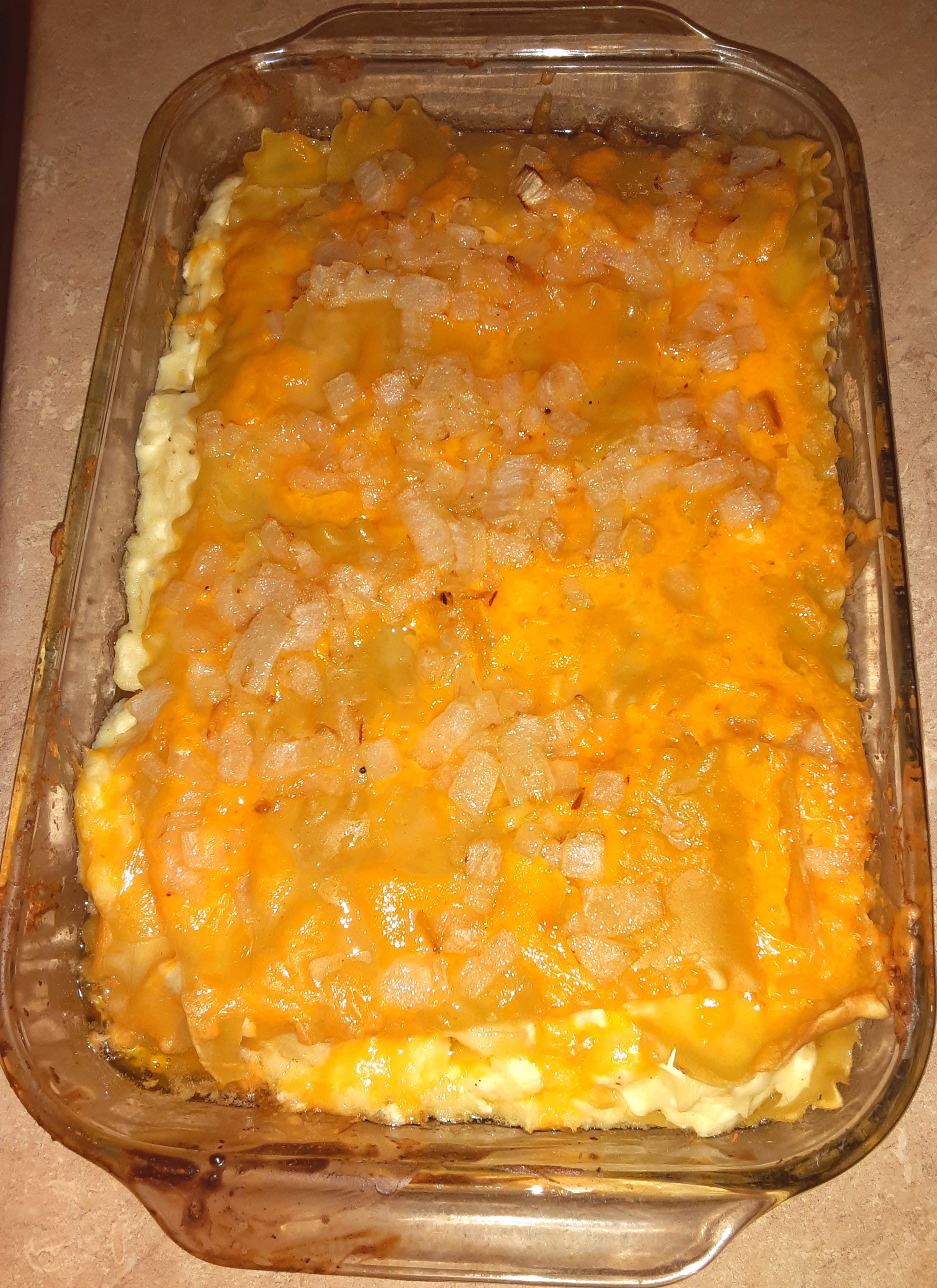
Grilled cheese is everyday food. It’s basically The Quesadilla, but with bread instead of tortilla and non-spicy tomato soup instead of spicy tomato salsa. A grilled cheese sandwich party is not entertaining, in the adjusted lighting, set table, Martha Stewart sense. However, Tandoh does offer similar suggestions for “those who want to slip around the dinner party injunction,” including pie parties, sundae parties, and dumpling parties. I want, at some point, to have a perogy party, and an ice cream party, and another pie party with my perfected crust. I want to do my dinner not-parties better, to get them closer to the real thing. I have been enticed by Feldman’s choose-your-own adventure dinner party flow chart, and Thielen’s olive oil cookies (which I filled with store-bought cranberry orange sauce). “I could do this!” I say, despite being a renter with a shared kitchen and a lack of money, time, and car with which to source the best ingredients in my highly unwalkable city.
This desire for excess and impracticality is at odds with my love of ugly brown food and my simplistic approach to feeding myself on normal days. But the whole point of entertaining is not being normal. Or, as Tandoh states: “Entertaining is to real cooking what drag is to the sweatshirt you wear to the gym.”
At the grilled cheese party, I introduced unnecessary effort by taking people with me to buy groceries, ostentatiously displayed my spice cupboard in the hopes that people would gussy up their sandwiches, provided three kinds of cheese and asked multiple times if anybody wanted spinach? or tomatoes? or prosciutto? And the fact that my guests just wanted something simple was disappointing, because I wanted it to be A Whole Thing. I feel the same kind of disappointment when I have people over and they think the best plan for dinner is delivery (which it is, practically speaking). Or when I propose baking on the weekend and Roommate B thinks the best plan is oatmeal muffins made with her brown bananas (which it is, practically speaking). Meanwhile, I act like I am baking for my friends, then bemoan the fact that they aren’t interested in my unsolicited pumpkin olive oil cake with maple glaze.10
Plans of Attack
Tandoh offers much advice on entertaining. Every dinner party cookbook does the same. I will shoot my shot, aiming specifically at renters with shared kitchen space.
Theme it up: Get a dinner party cookbook from your local library and follow one of its set menus. Get an official or unofficial fan cookbook for your favourite piece of media and mix and match recipes of your choosing.11 Choose a decade, or a country, or a specific kind of food, like dumplings or pie. Look for ideas on Pinterest. Exercise your creativity as much or as little as you want.
Have drinks: Personally, I survive on tapwater and coffee, and, when I’m out, wine and gin-based cocktails. But other people are different. Make sure you have options for those who like hot beverages, those who like cold beverages, those who don’t drink alcohol, and those who have diabetes.
Ask people to bring things: I don’t want pop to take up fridge space which could be filled by a mug of old bacon fat, so I ask other people to bring drinks. And be specific when delegating, because responding ‘whatever you want!’ to the question ‘can I bring anything?’ is a dinner party war crime. Simply say, ‘hey, Sadie, can you bring sangria?’ and ‘hey, Ben, can you bring frozen mini quiches?’
Be prepared for leftovers: There must be excess food. There must be.12 I always try to foist this upon my guests, but since all my friends take transit they never accept. You must simply count the cost and be ready to eat risotto for a week.
Have dessert: If you can’t eat sweets then delegate. Give people truffles or cheese or store-bought ice cream cake. Or croquembouche, if that’s your preference. Dessert helps provide a formal conclusion to the meal.
Set the table: I have actually never done this. I’m ashamed of the fact that the bowls are chipped, the glasses are mismatched, and the mugs were stolen from the Association of Graduate Anthropology Students. It doesn’t matter. Make it into a bit. Give each table setting its own colour scheme. Buy a dollar store tablecloth. Light the candles Roommate C got for Christmas two years ago.
Provide fair warning: Roommate A once told me that ‘this is my house too’ and I ‘don’t need permission to have people over.’ But that’s crazy. Having someone over to watch a movie is different from monopolizing the kitchen and dining room for several hours of cooking, eating, and chatting. It’s not asking for permission, it’s just respectful communication.
Get creative with seating: My house has a weird square table that seats four and six weird tall chairs. But we also have a kitchen island, which happens to be the same height as the table! My parents have a dining table that comfortably seats six. But with two folding chairs and a plastic desk chair, they can uncomfortably seat nine! Every house is different; work with what you’ve got, and don’t apologize.
Offer to order pizza: This tip is from my mother. Always have a backup plan, just in case the boeuf bourguignon fails spectacularly. It need not necessarily be pizza, but it should be something available, broadly likeable, and pre-determined. Do not under any circumstances waste an additional hour deciding what to order.
Your guests will be perfectly happy with pizza. You, of course, will be devastated. If this was about the guests you would have ordered pizza in the first place. Tandoh says:
This is the thing that everyone understands about entertaining but nobody is supposed to say: that it is about the host, no matter what they tell us, and this is fine. This is my dinner party.
Cookbook authors are ambivalent on this point. They spend their introductions trying to pull you into their cult, and are worried you won’t buy in if you think you’re being selfish. Cohen asks his readers to believe that “nourishing [people] is a powerful expression of both hospitality and self-care,” which makes entertaining sound good, I guess, if you like the language of wellness gurus. I prefer Thielen’s blunt honesty, that “no one else will ever care about the food” as much as the host. People are nourished by pizza, too. Finally, Feldman states that dinner parties should be “a creative practice rather than a stressful performance.” Entertaining is not an everyday act of service like feeding a family, but rather a joy in your own skill and creativity that becomes greater when you share it with others. This isn’t selfish. It’s just having a hobby.
Reethika Singh, “Strawberry Posset,” Cupcakeree, Accessed December 4, 2025, https://www.cupcakeree.com/blog/strawberry-posset. Obviously we used rhubarb.
Caroline Lieffers and Merril Distad, Collecting Culinaria: Cookbooks and Domestic Manual Mainly From the Linda Miron Distad Collection (Edmonton: University of Alberta Libraries, 2013), x. The title of this piece was actually inspired by an old Food Network show, but this line from Lieffers and Distad dwas so perfect I had to include it somewhere.
Ruby Tandoh, All Consuming: Why We Eat the Way We Eat Now (New York: Alfred A. Knopf, 2025). Alas, because I read it on Libby, no page numbers.
Amy Thielen, Company: The Radically Casual Art of Cooking for Others (W. W. Norton & Company, 2023).
Natasha Feldman, The Dinner Party Project: A No-Stress Guide to Food with Friends (New York: Harvest, 2023).
Jake Cohen, Dinner Party Animal: Recipes To Make Every Day A Celebration (New York: HarperCollins, 2025). Libby.
Jamie Oliver, Together: Memorable Meals Made Easy (Toronto: Harper Collins, 2021).
Oliver, 80-97.
Thielen, 214.
Yossy Arefi, “Pumpkin Olive Oil Cake with Maple Olive Oil Glaze,” in Snacking Cakes: Simple Treats for Anytime Cravings (New York: Clarkson Potter Publishers, 2020), 66-67.
If you’re thinking Shakespearean: Sam Bilton, Much Ado About Cooking: Delicious Shakespearean Feasts for Every Occasion (London: Headline Publishing Group, 2025). My parents don’t have this book; they just make food vaguely inspired by the setting of the play.
All of Natasha Feldman’s recipes serve six, which is enough food for a party of four.